What to Include in Your Moving Checklist
Posted on 13/09/2016

Moving house is an exciting stage of opening a new chapter of your life. As with any big change, this one certainly comes with stresses and difficulties attached to it. As you prepare to move to the next place you will call home, there are so many things that you have to take into consideration. Writing a moving checklist can help you organise yourself for the move that is going to take place. There is nothing more satisfying than checking off boxes on a big, long to-do list… and that is exactly what you can do as you make your way through the removal process with a moving checklist in hand. This article provides guidelines on how to prepare a checklist for each room of the house, and when you should start packing things for the move.
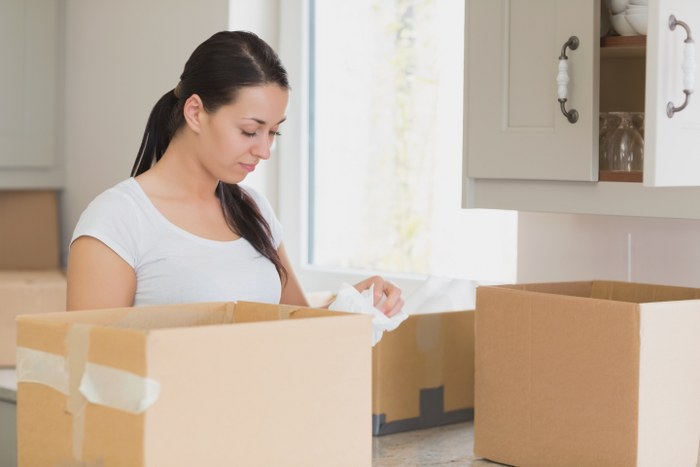
Kitchen
When packing up the kitchen, start with the items that are not used regularly. These will often be found in the back of the cupboards and in the form of dishes or pots and pans that tend to only come out for special occasions. It is a good idea to leave fragile items such as glass dishes or vases till the end of the packing process. You don’t want to risk damaging anything fragile by having it wrapped up in paper and a box for too long. When packing up the refrigerator, remember to turn it off the night before and leave the doors open ajar to prevent mould and leaking from occurring.
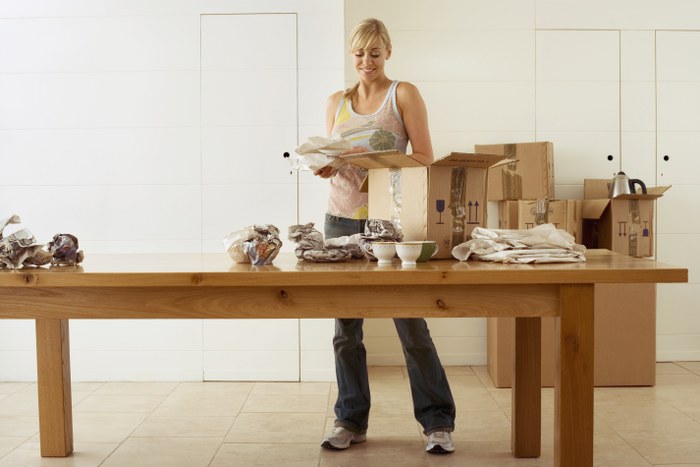
Dining room
A good six weeks before packing gets serious, start putting away lesser used dining settings and glassware into boxes. Make sure you wrap these in bubble wrap and keep them in a dry, cool place so that they don’t get any air or water damage in storage. Obviously you want to leave packing cutlery until right before the move, but it is worth setting aside a box with plenty of bubble wrap in advance so that you have it ready to place the cutlery in when the time is right.
Lounge/family room
The main things to start packing away earlier on are blankets and throw rugs that aren’t being used. Once these are out of the way you can turn your attention to other items that aren’t being as regularly, such as DVDs, books, and photo frames. Having these packed away about three weeks before the move will make your life much easier when it comes closer to the date.
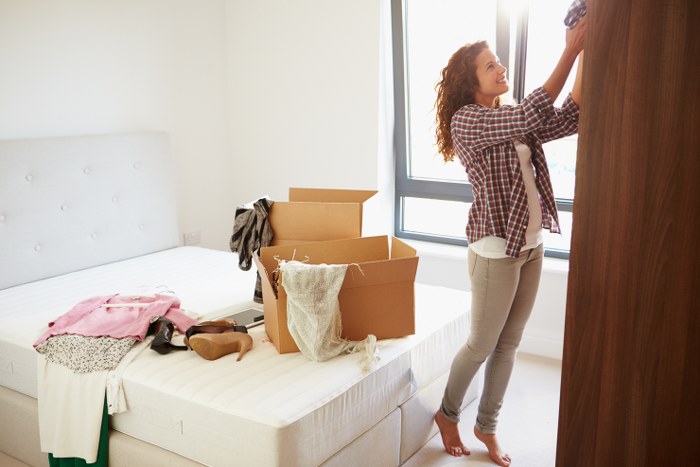
Bedrooms
When it comes to tackling your wardrobe, you can start packing clothes away seasonally. Anything that you aren’t wearing in the current weather – pack that into boxes or compression bags to save space. This will lessen the burden of packing closer to the date and will also help you choose outfits for the current weather. Also consider packing away bed linen that you aren’t using as this can be seasonal as well. Just ensure you have enough bed linen to keep your bed fresh until the big moving day.
Bathroom
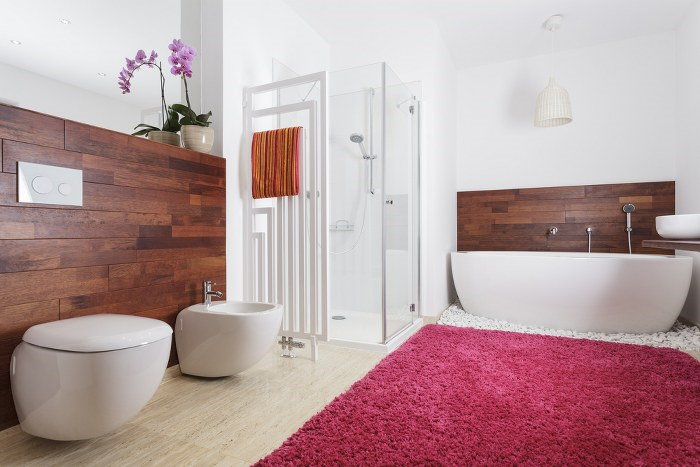
The bathroom can be a minefield of chaos at times, but it is possible to pack away things stage by stage here. Take a look at towels and bathmats that aren’t used often and consider packing them first. Always make sure with the bathroom that you leave toiletries and medications until the very last minute. These items should be packed into a box that you intend to have at easy access on the first night in your new house.