Moving Your Antique Furniture Safely

Posted on 11/09/2025

Antique furniture is a valued possession in many households, often passed down through generations. Its historical significance and craftsmanship make it irreplaceable. However, moving these delicate pieces can be nerve-wracking. In this article, we will guide you through the steps to safely move your antique furniture.


Planning Your Move


The first step in moving your antique furniture is thorough planning. Assess the number of pieces you need to move, their sizes, weights, and any special requirements they might have. Make a list of all the items and take photographs, which can be crucial for insurance claims if something gets damaged.


A young couple sits on the floor inside a bright, modern house with large windows, facing temporarily decorated walls with minimalist black line drawings of furniture and interior features. The woman has red hair and is wearing a white t-shirt, while the man has brown hair and is wearing a lavender t-shirt; they are seated close together with arms wrapped around each other, and the woman is resting her head on the man's shoulder. The man's right hand is raised, pointing towards the wall art. The room has white walls, a white ceiling, and visible radiators beneath the windows. In the background, there are empty shelves, a small table, and a potted plant on a sideboard, suggesting decoration or renovation. This scene reflects a home relocation or packing process, possibly preparing for furniture transport, with the couple seated on newspapers, indicating ongoing or upcoming moving activities, which Man and Van Star may assist with as part of their removals service.

Gathering The Right Supplies


Having the right packing supplies is essential. You will need bubble wrap, packing paper, moving blankets, and sturdy boxes. Specialty stores or online retailers often sell specific materials designed for protecting antique furniture, such as corner protectors and anti-slip pads.


Disassembling Furniture


If possible, disassemble larger pieces of furniture. This not only makes them easier to transport but also reduces the risk of damage. Keep all screws and smaller parts in labeled bags to make reassembly efficient.


Wrapping And Padding


Properly wrapping and padding your furniture is vital to prevent scratches and breaks. Use bubble wrap to cover fragile elements and moving blankets for larger surfaces. Secure the coverings with moving tape, but avoid placing tape directly on the furniture's surface as it can cause damage.

Loading And Transporting


When loading your furniture onto the moving vehicle, ensure it is securely fastened using straps. Place heavier items at the bottom and lighter ones on top. If possible, transport antique pieces yourself to maintain control over their safety.


Pros and Cons of Moving Antique Furniture Yourself


Pros:


    • Cost-saving compared to hiring professionals.

    • Complete control over the safety measures.

    • Personal involvement gives peace of mind.


Cons:


    • Physical strain and risk of personal injury.

    • Possibility of missing professional expertise, leading to damage.

    • Time-consuming process.


Tips for Moving Antique Furniture Safely


    • Use high-quality packing materials to ensure maximum protection.

    • Always keep furniture upright to avoid putting undue stress on joints.

    • Hire professional movers if the furniture is particularly valuable or fragile.

    • Label all boxes clearly to indicate they contain fragile items.

    • Keep an inventory and document the condition of each piece before the move.


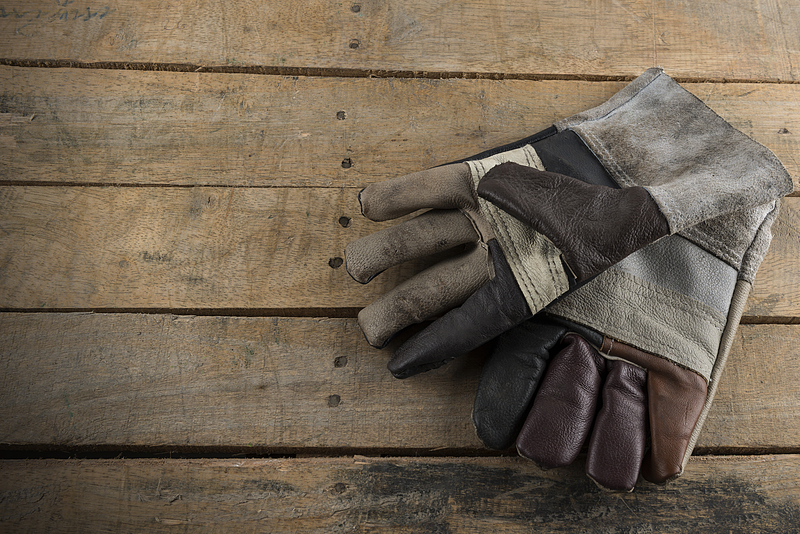
A pair of work gloves, made from a combination of grey, black, and brown leather and fabric materials, are folded and placed on top of a stack of fabric-covered moving pads or blankets. The gloves are designed for handling fragile or heavy items during a home relocation and are positioned on a rustic wooden surface, which shows visible grain and slight weathering. In the background, there is a wooden floor with parallel planks, indicating an indoor setting such as a hallway or storage area used during furniture transport. The lighting is natural or ambient, illuminating the gloves and packing materials clearly, in preparation for a furniture moving process. The image reflects or supports services like packing and loading, relevant to furniture removals or antique furniture transport, as offered by companies such as Man and Van Star.

Key Takeaways


    • Plan meticulously and prepare adequately with the right supplies.

    • Disassemble and carefully wrap your furniture for added protection.

    • Secure your furniture properly in the moving vehicle.

    • Weigh the pros and cons of moving the furniture yourself versus hiring professionals.


Conclusion


Moving antique furniture can be a complex and daunting task, but with careful planning, the right materials, and proper techniques, you can ensure that your cherished pieces make it to their new home safely. Whether you choose to move the furniture yourself or hire professionals, being informed and prepared can make all the difference.

Latest Posts

Home Moving

Packing and Boxes

Storage

Getting Ready for Your Removals Team

Managing Parking on Moving Day

Inside a residential property, a man is carefully loading a large, antique wooden cabinet wrapped in protective padding onto a blue moving van parked on the pavement outside. The cabinet is positioned near the doorway, with the man using a trolley to assist in moving it, ensuring stability and safety during the furniture transport process. Surrounding the cabinet are several cardboard boxes and packed items, some secured with plastic wrap and foam padding, indicative of careful packing for a home relocation. The van's open side door reveals more packed goods ready for transportation, and the scene is well-lit with natural daylight, emphasizing an organized and professional approach to moving antique furniture. This image exemplifies the detailed packing, cautious handling, and logistical planning involved in furniture transport, as managed by a removal service such as Man and Van Star, aligning with the themes of house removals and moving expertise.
Andrew Jones

Utilizing his expertise in removals, Andrew provides informative articles on packing, household removals, and man and van rental. His contributions have assisted numerous individuals in accessing convenient and environmentally friendly services.