Steps to Pack Your Wall Art
Posted on 01/12/2024
Wall art can be both delicate and valuable, making it essential to pack it properly when you're moving or storing it. Improper packing can result in damage, which not only diminishes its appearance but can be financially costly. Here's a step-by-step guide to ensure your wall art is packaged securely and arrives at its destination in perfect condition.
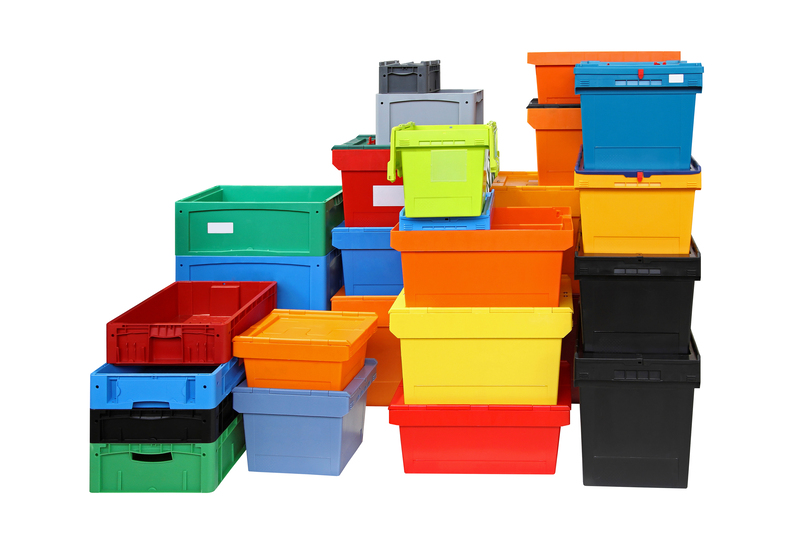
1. Gather the Necessary Supplies
Before you start packing, it's essential to gather all the materials you'll need. Here's a list of supplies:
- Sturdy cardboard boxes or specialized art boxes
- Bubble wrap or foam sheets
- Corner protectors (cardboard or foam)
- Glassine paper or acid-free tissue paper
- Packing tape and masking tape
- Markers for labeling
2. Prepare the Work Area
Find a clean, flat surface to work on, preferably one that is soft, like a padded table or carpeted floor. Lay down a blanket or soft cloth to prevent any surface damage to your art.
3. Clean and Inspect Your Art
Before packing, make sure to clean the glass surfaces of framed art carefully with a glass cleaner. Inspect the frame and artwork for any existing damage or weak spots. Document any pre-existing issues with photographs.
4. Protect the Corners
Use corner protectors made from cardboard or foam to shield the corners of your artwork. This step is especially crucial for framed pieces as the corners are vulnerable to damage during transit.
5. Wrap the Art
If your artwork has a glass cover, place masking tape across the glass in an "X" shape. This will help hold the glass fragments together in case it breaks. Wrap the entire piece in glassine paper or acid-free tissue paper to protect the surface. Next, wrap the piece in bubble wrap or foam sheets, ensuring complete coverage. Secure the wrapping with packing tape.

6. Place in a Box
Choose a box that is slightly larger than the item you're packing. Place a layer of bubble wrap or foam at the bottom of the box. Carefully place the wrapped art into the box and fill any gaps with additional bubble wrap or packing paper to prevent movement. Seal the box securely with packing tape.
7. Label the Box
Clearly label the box with "FRAGILE" and indicate which side is up to ensure handlers are aware of the contents' delicacy. Consider also writing a brief description of the contents for easier identification.
Pros and Cons of DIY Wall Art Packing
Pros:
- Cost-Effective: Doing it yourself can save money on professional packing services.
- Control: You have full control over how each piece is packed, ensuring it meets your standards.
- Customization: You can use specific materials and methods best suited for your particular pieces.
Cons:
- Time-Consuming: Packing wall art securely can take a significant amount of time.
- Risk of Damage: Inexperience can lead to improper packing, increasing the risk of damage.
- Material Costs: Quality packing materials can add up in cost.
Tips for Packing Wall Art
- Always work on a soft surface to avoid accidental scratches or dings.
- Consider using reusable art boxes if you move frequently.
- Label each box with a photograph of the content for easier unpacking.
- If unsure, consult or hire professional movers who specialize in artwork.
Takeaways
Packing wall art demands careful attention to detail and the right materials. By following these steps, you can safeguard your valuable and delicate pieces, ensuring they arrive at their destination undamaged. Remember the importance of cleaning, inspecting, and adequately wrapping each piece, and don't skimp on quality packing materials.
Conclusion
Properly packing your wall art is crucial for preserving its condition and value. Although it may be time-consuming, the effort and attention to detail will pay off in the long run. Whether you choose to pack your art yourself or hire professionals, understanding the key steps and tips ensures your artwork is well-protected during transit.
By following these steps and tips, you can confidently pack your wall art, whether preparing for a move or storage. Ensure you have all the necessary materials and take your time to protect each piece adequately. This comprehensive approach will help your art stay safe and in excellent condition, ready to beautify your walls once again.